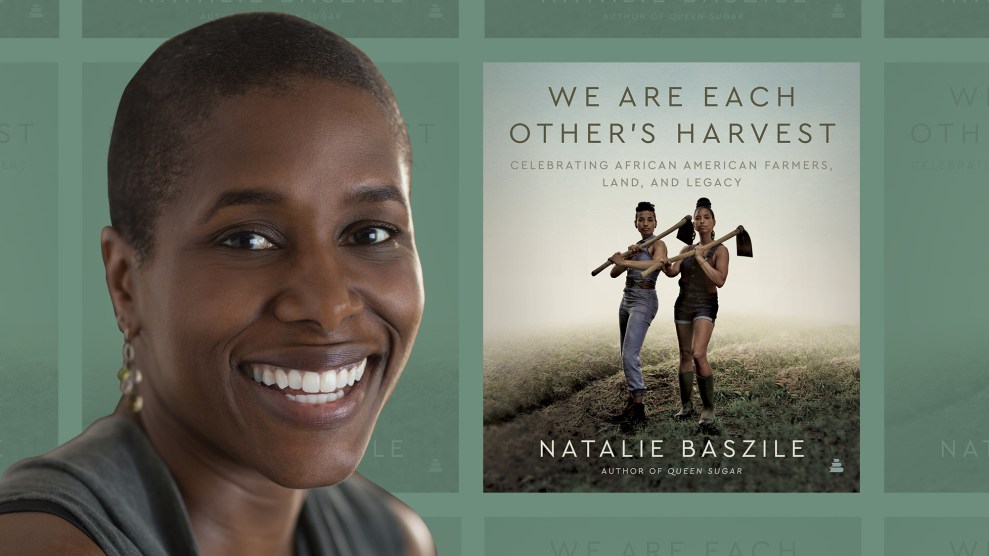
“Queen Sugar” Author Natalie Baszile on How Black Farmers Can Help Save the Planet

“Those old indigenous practices have everything to do with carbon sequestration.”

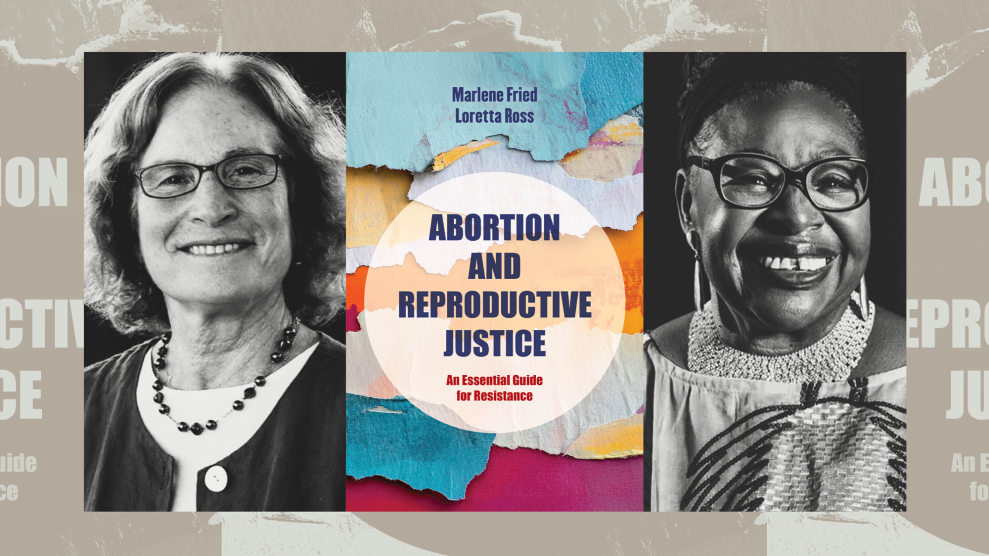
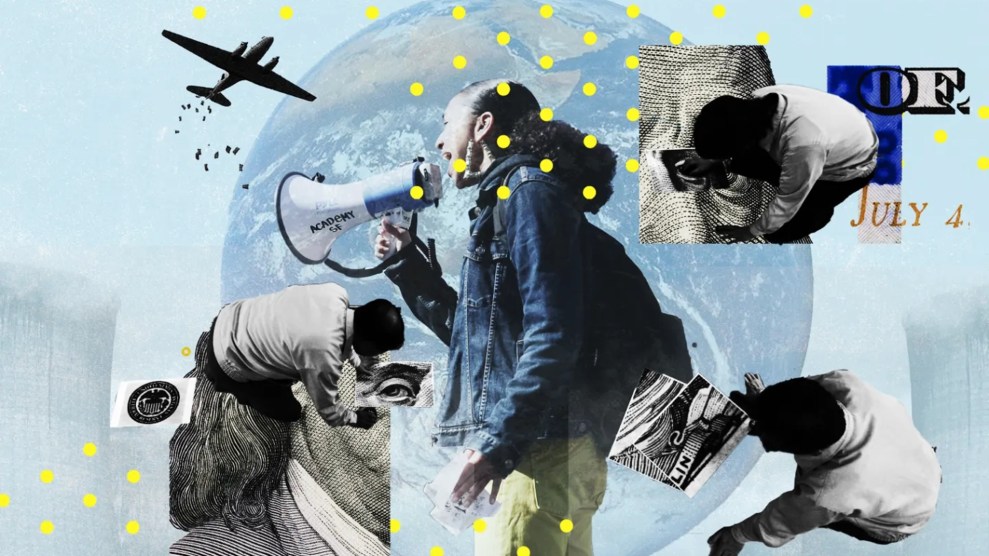
Natalie Baszile with the cover of her new anthology We Are Each Other's Harest

Mother Jones illustration; Courtesy of Harper Collins

Get your news from a source that’s not owned and controlled by oligarchs. Sign up for the free Mother Jones Daily.

Natalie Baszile knew she was onto something when she got the call from Oprah’s people. A novelist and food justice activist, Baszile had been working for years on a semi-autobiographical novel about a Los Angeles-based Black woman who is unexpectedly faced with reviving an inherited family farm in Louisiana. The book became Queen Sugar, which was published in 2014 and, with Oprah’s backing, later debuted as a TV series on OWN in 2016. American audiences were getting an intimate glimpse into how reverse migration was reshaping Black life in America.

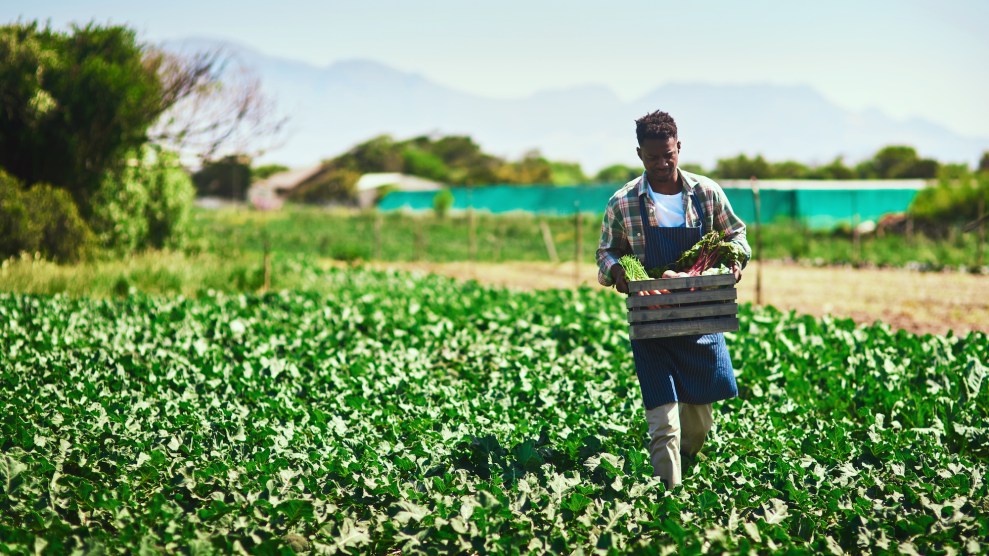
Now, in a new anthology, Baszile is broadening her scope. In We Are Each Other’s Harvest, Baszile offers up a carefully curated collection of essays and interviews that get to the heart of why Black people’s connection to the land matters. Mother Jones food and agriculture correspondent Tom Philpott recently published an investigation called “Black Land Matters,” which explores how access to land has exacerbated the racial wealth gap in America. The story also takes a look at a younger generation of Black people who have begun to reclaim farming and the land on which their ancestors once toiled.

In this discussion on the Mother Jones Podcast, host Jamilah King talks with Baszile about how this new generation of Black farmers is actually tapping into wisdom that’s much older than they might have imagined.
BEFORE YOU CLICK AWAY!

December is make or break for us. A full one-third of our annual fundraising comes in this month alone. A strong December means our newsroom is on the beat and reporting at full strength. A weak one means budget cuts and hard choices ahead.

The December 31 deadline is closing in fast. To reach our $400,000 goal, we need readers who’ve never given before to join the ranks of MoJo donors. And we need our steadfast supporters to give again today—any amount.

Managing an independent, nonprofit newsroom is staggeringly hard. There’s no cushion in our budget—no backup revenue, no corporate safety net. We can’t afford to fall short, and we can’t rely on corporations or deep-pocketed interests to fund the fierce, investigative journalism Mother Jones exists to do.

That’s why we need you right now. Please chip in to help close the gap.

BEFORE YOU CLICK AWAY!

December is make or break for us. A full one-third of our annual fundraising comes in this month alone. A strong December means our newsroom is on the beat and reporting at full strength. A weak one means budget cuts and hard choices ahead.

The December 31 deadline is closing in fast. To reach our $400,000 goal, we need readers who’ve never given before to join the ranks of MoJo donors. And we need our steadfast supporters to give again today—any amount.

Managing an independent, nonprofit newsroom is staggeringly hard. There’s no cushion in our budget—no backup revenue, no corporate safety net. We can’t afford to fall short, and we can’t rely on corporations or deep-pocketed interests to fund the fierce, investigative journalism Mother Jones exists to do.

That’s why we need you right now. Please chip in to help close the gap.

We Recommend

Latest

Sign up for our free newsletter

Subscribe to the Mother Jones Daily to have our top stories delivered directly to your inbox.

Get our award-winning magazine

Save big on a full year of investigations, ideas, and insights.

Subscribe

Support our journalism

Help Mother Jones' reporters dig deep with a tax-deductible donation.

Donate