Why Lawns Suck

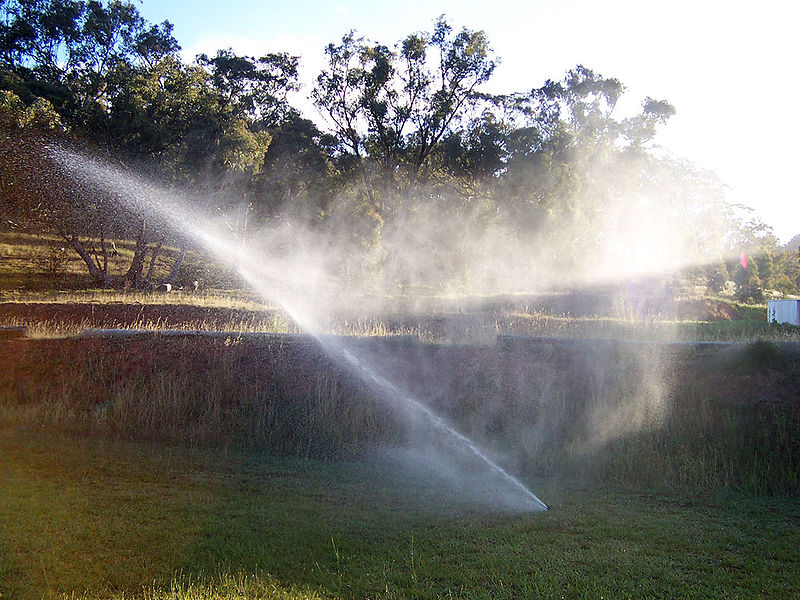
Photo courtesy Wikimedia Commons

Get your news from a source that’s not owned and controlled by oligarchs. Sign up for the free Mother Jones Daily.


The turfgrass in lawns may be hard-working photosynthesizing plants that store our harmful CO2 emissions in the form of organic carbon in the soil. But the way we tend lawns actually creates four times more emissions than the grasses sequester.

This according to a new study (pdf) of southern California lawns in Geophysical Research Letters. The problems stem from using fertilizers, gasoline-powered lawn mowers, leaf blowers, and all the other living hells of modern lawn management.

Lawn emissions also includes nitrous oxide released from soil after fertilization. Nitrous oxide is 300 times more potent a greenhouse gas than CO2.

Worse, partly as a result of the unexamined rush to “green” urban spaces, we’ve now covered 1.9 percent of all the land in the contiguous US with lawns.

Worst, lawns are the most common irrigated crop in our irrigated country.

The researchers analyzed grass in four parks near Irvine, California, each with two types of turf: ornamental lawns (picnic areas), left largely undisturbed; athletic fields (soccer and baseball), trampled, replanted, and aerated frequently. Findings:

  • Ornamental lawns offset only 10 to 30 percent of the nitrous oxide emissions from fertilization offset, plus fossil fuel consumption from mowers and whatnot released four times more CO2 than the plots could take up.
  • Athletic fields performed even worse, since wear and tear continually disrupted the grasses’ efforts, and because they needed constant tilling and resodding, therefore trapping way less CO2 than ornamental lawns yet requiring the same emissions-producing care.

I’ve always hated lawns. Talk about a time-and-energy suck. Now a climate suck too.

 

BEFORE YOU CLICK AWAY!

December is make or break for us. A full one-third of our annual fundraising comes in this month alone. A strong December means our newsroom is on the beat and reporting at full strength. A weak one means budget cuts and hard choices ahead.

The December 31 deadline is closing in fast. To reach our $400,000 goal, we need readers who’ve never given before to join the ranks of MoJo donors. And we need our steadfast supporters to give again today—any amount.

Managing an independent, nonprofit newsroom is staggeringly hard. There’s no cushion in our budget—no backup revenue, no corporate safety net. We can’t afford to fall short, and we can’t rely on corporations or deep-pocketed interests to fund the fierce, investigative journalism Mother Jones exists to do.

That’s why we need you right now. Please chip in to help close the gap.

BEFORE YOU CLICK AWAY!

December is make or break for us. A full one-third of our annual fundraising comes in this month alone. A strong December means our newsroom is on the beat and reporting at full strength. A weak one means budget cuts and hard choices ahead.

The December 31 deadline is closing in fast. To reach our $400,000 goal, we need readers who’ve never given before to join the ranks of MoJo donors. And we need our steadfast supporters to give again today—any amount.

Managing an independent, nonprofit newsroom is staggeringly hard. There’s no cushion in our budget—no backup revenue, no corporate safety net. We can’t afford to fall short, and we can’t rely on corporations or deep-pocketed interests to fund the fierce, investigative journalism Mother Jones exists to do.

That’s why we need you right now. Please chip in to help close the gap.

We Recommend

Latest

Sign up for our free newsletter

Subscribe to the Mother Jones Daily to have our top stories delivered directly to your inbox.

Get our award-winning magazine

Save big on a full year of investigations, ideas, and insights.

Subscribe

Support our journalism

Help Mother Jones' reporters dig deep with a tax-deductible donation.

Donate