Enhanced premium tax credits are set to expire at the end of 2025, imperiling tens or hundreds of thousands of contractors.Sue Dorfman/Zuma
Comedian Megan Sass has been struggling to get their health insurer to cover intravenous immunoglobulin for more than a year. The treatment, which addresses a genetic antibody deficiency, requires antibodies from blood donors. Without insurance, it’s unaffordable. And with the looming expiration of Affordable Care Act subsidies, Sass’ insurance will soon cost $1,300 a month.
“I am not at a place where I’m been able to joke about this,” they said.
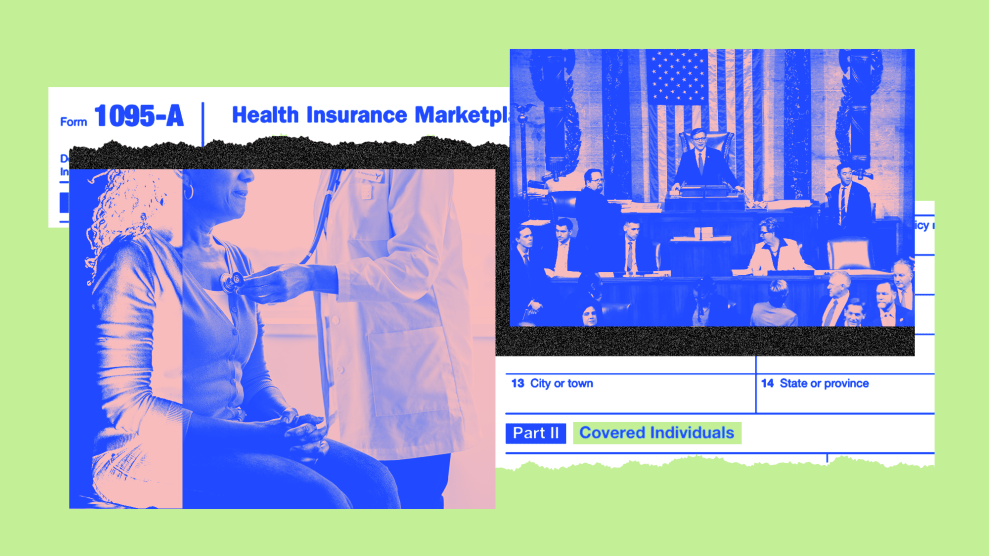
ACA marketplace subsidies, first implemented in 2014, expanded greatly during the Biden administration, allowing millions more people to afford private health insurance. But enhanced premium tax credits are set to expire at the end of 2025. As ACA architect Jeanne M. Lambrew told me in October:
When the Biden administration came in during the pandemic, they tweaked the premium tax credits to improve them, which doubled enrollment. It increased the racial diversity of enrollment. It increased [the number of] low-income people enrolled. It removed a cliff, so when people’s income increased, they didn’t like fall off and have nothing. All that led to great gains and all that is at risk.
For contractors and freelancers in particular, the expiration of these enhanced subsidies could decide whether or not they can afford health insurance. According to KFF, around half of adults who purchase ACA marketplace plans are self-employed, small business owners, or their employees. Disabled people who work are 50 percent more likely to be self-employed than non-disabled people, meaning that people with existing health issues are at disproportionate risk of losing private health insurance for affordability reasons.
The ACA offers disabled people “options that many other people take for granted,” said Mia Ives-Rublee, senior director of the Center for American Progress’ Disability Justice Initiative, especially given the ties between insurance and employment.
The situation is especially frustrating for chronically ill and disabled contractors who watched Democratic leadership in Congress abandon a shutdown meant to protect those subsidies; President Donald Trump, during Thanksgiving week, then backtracked on a supposed plan to extend the tax credits when faced with the displeasure of congressional Republicans.
New Hampshire therapist Amanda McGuire is infuriated that Sen. Jeanne Shaheen (D-N.H.) voted to end the government shutdown without a deal to extend ACA tax credits: after all, McGuire created a video that Shaheen’s team posted on social media during the shutdown advocating for the importance of the ACA. McGuire feels betrayed.
McGuire doesn’t qualify for ACA subsidies, though she expects to have to buy a marketplace plan next year as her disabilities, including multiple sclerosis, increasingly compel her to reduce her working hours. McGuire’s therapy practice focuses on patients with chronic illnesses and disabilities, and she’s even more afraid of what the future holds for them.
“A lot of them can’t even look at the options in the marketplace right now, because they know they’re going to be priced out of policies,” McGuire told me. “As someone with chronic illness, you can’t just go without insurance.”
Kathryn Sullivan Graf, a contractor who works as a writer and editor in Arizona, has multiple sclerosis; she expects to pay around $300 more a month and to have to seek new specialists. She was relieved when her neurologist assured her that he’d remain her neurologist no matter what happened—”but that’s just one of my providers,” Sullivan Graf said.
Sass doesn’t believe that politicians on either side of the aisle are doing enough. Members of Congress, Sass noted, get comprehensive health insurance through the government—so they can’t personally experience the stakes.
“Obviously, the main culprits are Republicans,” Sass said, who supports socialized medicine. “But the system,” they said, was either “broken, or it was intentionally designed badly.”