If you haven’t already, read Russell Shorto’s profile of the Dutch social welfare state. He extols the system’s virtues—health care, subsidized child care, and not only a month of paid vacation, but a check (8 percent of your annual salary) from the government to pay for that trip to the Swiss Alps—before tugging us back to earth:
Then, too, one downside of a collectivist society, of which the Dutch themselves complain, is that people tend to become slaves to consensus and conformity. I asked a management consultant and a longtime American expat, Buford Alexander, former director of McKinsey & Company in the Netherlands, for his thoughts on this. “If you tell a Dutch person you’re going to raise his taxes by 500 euros and that it will go to help the poor, he’ll say O.K.,” he said. “But if you say he’s going to get a 500-euro tax cut, with the idea that he will give it to the poor, he won’t do it. The Dutch don’t do such things on their own. They believe they should be handled by the system. To an American, that’s a lack of individual initiative.”
Another corollary of collectivist thinking is a cultural tendency not to stand out or excel. “Just be normal” is a national saying, and in an earlier era children were taught, in effect, that “if you were born a dime, you’ll never be a quarter” — the very antithesis of the American ideal of upward mobility.
I read those two paragraphs and immediately thought, “Knowing that, can we really achieve something like universal health care here?” For a second, my answer was “No, we can’t.” Even a lefty like me shudders at the idea an individual born a dime can’t become a quarter, to borrow Shorto’s phrase. Most Americans, myself included, believe in an equality of opportunity, but not of outcome. I like the idea that I do not have to be normal; I can take risks and excel.
Then I realized a Dutch-like collectivism and a need for consensus are not prerequisites for universal health care in America. (A consensus in Congress definitely helps, though.) In fact, the more I thought about it, the more it seemed to me that the current state of our lack of universal health care was actually a hindrance to that American ideal of equality of opportunity.
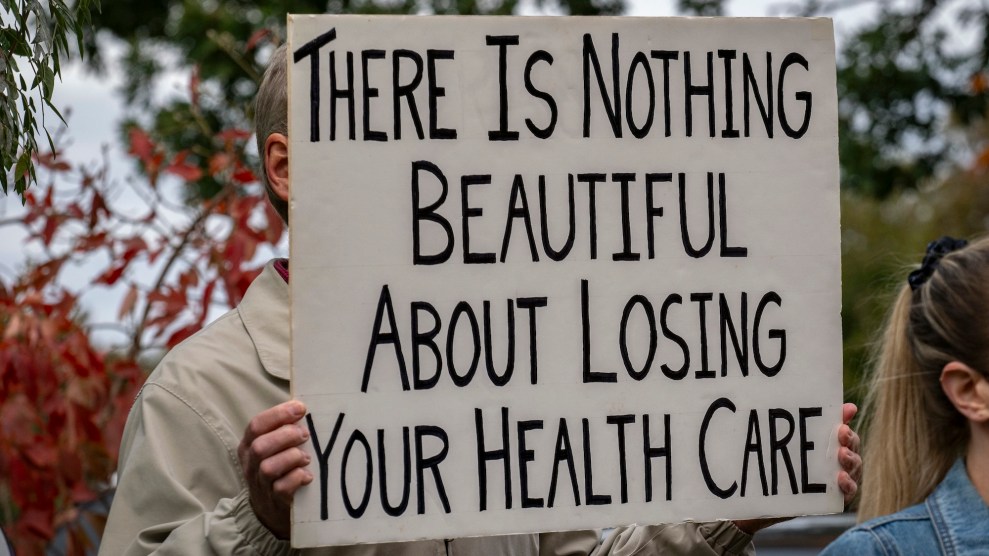
Why? Health care simply costs too much. In fact, states are reporting American employers are dropping their employees’ health care plans, leaving thousands of workers a medical malady away from a slew of medical bills that could push them to bankruptcy. (Let alone the thousands of insured-yet-bankrupt Americans.) This phenomenon skews the playing field toward richer Americans: How can someone start a small business or go back to school, for example, if she can’t afford her insurance premiums? Or if she’s bankrupt from health care costs?
I myself am facing a similar condundrum. Next fall, when I begin law school, I will have to take out additional loans to cover my health care, though it’s possible my parents—who are able to help me out financially—will foot those bills. But many Americans, young and old, don’t have that option. Do I deserve health care any more than they do?