Ask an Expert How to Avoid Exploitative Clothing Companies

Before you guiltily buy another pair of $10 skinny jeans, watch this.

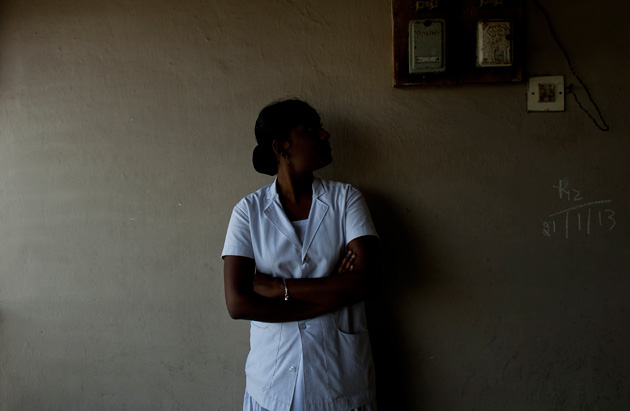
“[The supervisors] said we would get less work if we slept with them.” That’s what a 19-year-old Indian woman told me this year, about her experience working in a factory that makes products for international clothing companies. She’s one of thousands of “sumangali girls” who take jobs at textile factories under false promises, believing that they will earn enough money for education or a dowry. After traveling to India to learn about the brutal conditions under which sumangali girls work—and getting chased by thugs in the process—it’s been hard for me to shop for clothes in Washington, DC, without feeling guilty. So what’s the solution? 

At 11 AM EST on Tuesday, January 7th, I’ll be discussing this question with Sindhu Kavinamannil, a native of Southern India who investigates government contracts for labor violations and served as my translator during my reporting trip, and Elizabeth Cline, author of the 2012 book Overdressed: The Shockingly High Cost of Cheap Fashion. We’ll talk about the sumangali scheme, efforts by US clothing companies to reform their supply chains, and tips for American consumers who want to make sure that their clothes don’t support exploitation. Here’s our discussion: 

This story was completed with assistance from the International Center for Journalists’ Social Justice Reporting for a Global America fellowship program.

BEFORE YOU CLICK AWAY!

December is make or break for us. A full one-third of our annual fundraising comes in this month alone. A strong December means our newsroom is on the beat and reporting at full strength. A weak one means budget cuts and hard choices ahead.

The December 31 deadline is closing in fast. To reach our $400,000 goal, we need readers who’ve never given before to join the ranks of MoJo donors. And we need our steadfast supporters to give again today—any amount.

Managing an independent, nonprofit newsroom is staggeringly hard. There’s no cushion in our budget—no backup revenue, no corporate safety net. We can’t afford to fall short, and we can’t rely on corporations or deep-pocketed interests to fund the fierce, investigative journalism Mother Jones exists to do.

That’s why we need you right now. Please chip in to help close the gap.

BEFORE YOU CLICK AWAY!

December is make or break for us. A full one-third of our annual fundraising comes in this month alone. A strong December means our newsroom is on the beat and reporting at full strength. A weak one means budget cuts and hard choices ahead.

The December 31 deadline is closing in fast. To reach our $400,000 goal, we need readers who’ve never given before to join the ranks of MoJo donors. And we need our steadfast supporters to give again today—any amount.

Managing an independent, nonprofit newsroom is staggeringly hard. There’s no cushion in our budget—no backup revenue, no corporate safety net. We can’t afford to fall short, and we can’t rely on corporations or deep-pocketed interests to fund the fierce, investigative journalism Mother Jones exists to do.

That’s why we need you right now. Please chip in to help close the gap.

We Recommend

Latest

Sign up for our free newsletter

Subscribe to the Mother Jones Daily to have our top stories delivered directly to your inbox.

Get our award-winning magazine

Save big on a full year of investigations, ideas, and insights.

Subscribe

Support our journalism

Help Mother Jones' reporters dig deep with a tax-deductible donation.

Donate