Invisible Women: The Real History of Domestic Workers in America

Forget Fran Drescher: Real-life nannies, housecleaners, and cooks have long struggled against sexism, racism, and exclusionary laws.

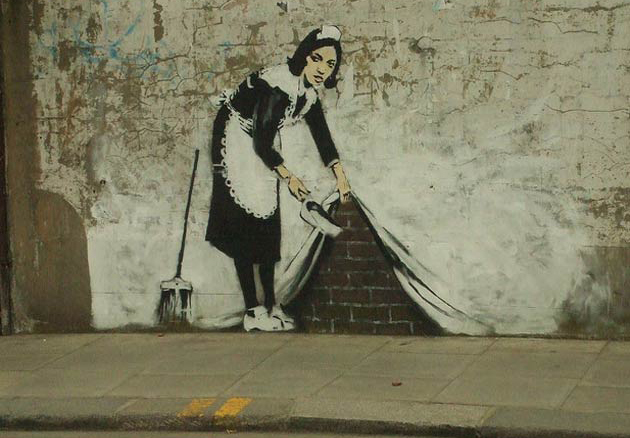
Matt from London/Flickr

UPDATE, September 26: Gov. Jerry Brown today signed the California Domestic Workers’ Bill of Rights into law, expanding the legal protections for its estimated 360,000 domestic workers. This comes on the heels of the Obama administration’s announcement that federal labor laws currently requiring minimum wage and overtime protections will be extended to the nation’s direct-care workers.

Last November, the National Domestic Workers Alliance commissioned the first ever national survey of 2,000 workers to shed light on an industry that exists quietly behind closed doors. The domestic workforce is composed mainly of immigrant women of color who earn substandard pay, rarely receive benefits or health care, and have virtually no lobbying power (unlike farmworkers, who have de facto help from cheap-labor-loving Big Ag).

In recent years, groups like the NDWA have made headway in the fight for worker protections, but they’re fighting an uphill battle against many outdated but entrenched laws, some of which are rooted in the legacy of slavery. This timeline explores a few of the milestones in the little-known history of the industry in America, showing where these workers came from and how far they still have to go.


BEFORE YOU CLICK AWAY!

December is make or break for us. A full one-third of our annual fundraising comes in this month alone. A strong December means our newsroom is on the beat and reporting at full strength. A weak one means budget cuts and hard choices ahead.

The December 31 deadline is closing in fast. To reach our $400,000 goal, we need readers who’ve never given before to join the ranks of MoJo donors. And we need our steadfast supporters to give again today—any amount.

Managing an independent, nonprofit newsroom is staggeringly hard. There’s no cushion in our budget—no backup revenue, no corporate safety net. We can’t afford to fall short, and we can’t rely on corporations or deep-pocketed interests to fund the fierce, investigative journalism Mother Jones exists to do.

That’s why we need you right now. Please chip in to help close the gap.

BEFORE YOU CLICK AWAY!

December is make or break for us. A full one-third of our annual fundraising comes in this month alone. A strong December means our newsroom is on the beat and reporting at full strength. A weak one means budget cuts and hard choices ahead.

The December 31 deadline is closing in fast. To reach our $400,000 goal, we need readers who’ve never given before to join the ranks of MoJo donors. And we need our steadfast supporters to give again today—any amount.

Managing an independent, nonprofit newsroom is staggeringly hard. There’s no cushion in our budget—no backup revenue, no corporate safety net. We can’t afford to fall short, and we can’t rely on corporations or deep-pocketed interests to fund the fierce, investigative journalism Mother Jones exists to do.

That’s why we need you right now. Please chip in to help close the gap.

We Recommend

Latest

Sign up for our free newsletter

Subscribe to the Mother Jones Daily to have our top stories delivered directly to your inbox.

Get our award-winning magazine

Save big on a full year of investigations, ideas, and insights.

Subscribe

Support our journalism

Help Mother Jones' reporters dig deep with a tax-deductible donation.

Donate